

Free Consultations 408-848-1113 En Español
Recent Blog Posts
What Are the Consequences of Workers’ Compensation Fraud?
 Employees who experience work-related injuries are entitled to workers’ compensation benefits. These benefits, including coverage for medical treatment and partial compensation for income lost due to a temporary or permanent disability, are available regardless of who was at fault for an injury. If a person can show that they were injured in a workplace accident or otherwise suffered injuries or health issues that arose out of the work they performed, they will qualify for workers’ comp benefits. However, workers should also be aware of the potential for workers’ compensation fraud, including situations where employees or employers may be accused of committing fraud.
What Is Workers’ Compensation Fraud?
Determining Whether a Work Injury Aggravated a Pre-Existing Condition
 There are many ways a person may be injured in the workplace or because of work-related activities and tasks. While workers’ compensation covers situations where employees are injured while working, there are some cases where workers and employers may disagree about whether an injury was work-related. These disagreements often address pre-existing conditions, and an employer may claim that an employee’s injury was solely the result of a non-work-related illness or health condition rather than the work the person performed or the conditions in the workplace. However, workers’ comp benefits are available in cases where a work injury resulted in the aggravation of a pre-existing condition. Workers with pre-existing conditions will want to understand how the California Department of Workers’ Compensation decides whether work-related factors aggravated their injuries or health issues.
How Does Workers’ Comp Decide Whether an Injury Is Work-Related?
 When working for an employer, workers have certain rights, including the ability to receive workers’ compensation benefits when they experience work-related injuries. While these benefits are available in most situations where a person suffers an injury or illness that occurred while they were working or was related to the work they performed, there are some situations where questions may arise about whether an injury was truly work-related. By understanding how work injuries are defined, a person can ensure that they will be able to receive the benefits they deserve.
Determining Whether an Injury Qualifies for Workers’ Compensation
Generally, an injury will be considered work-related if events or conditions in their work environment caused or contributed to the injury. This means that if a person was injured in a workplace accident or experienced health issues that occurred while they were working or because of work-related activities, they will qualify for workers’ compensation.
What Types of Occupational Diseases Are Covered by Workers’ Comp?
 A person who suffers injuries while working will be eligible for workers’ compensation benefits. In many cases, an injured worker will file a workers’ comp claim for injuries that occurred in workplace accidents. However, benefits are also available in situations where a person experienced illnesses or health issues that were related to the work they have performed. When addressing occupational diseases, workers can get legal help from an attorney who can help them understand the types of benefits they can receive and address any issues that may affect their ability to receive workers’ comp benefits.
When Is an Illness or Disease Work-Related?
Workers’ compensation is available to address any health issues that arose out of the work a person has performed. Work-related illnesses may occur because of issues such as:
California Workers’ Comp: Temporary and Permanent Disability Benefits
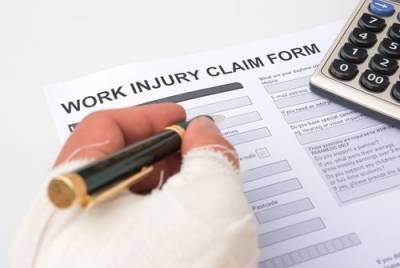 Being injured while on the job can lead to many difficulties, especially if a person is unable to return to work while they are recovering. If an injury is serious enough, it can permanently affect the types of work that a person can perform, and this can impact the income they will be able to earn during the rest of their career. Fortunately, a person who suffers an on-the-job injury will usually qualify for workers’ compensation benefits. However, navigating the process of filing a workers’ comp claim can be complicated, and it is important to understand how both temporary and permanent disability benefits will be handled in these cases.
Disability Benefits in CA Workers’ Compensation Cases
If an injury causes a person to miss more than three days of work, or if they need to spend the night in a hospital while receiving treatment, they can begin receiving temporary disability (TD) benefits. These benefits will provide two-thirds of the amount lost due to being unable to work. In total disability cases, a person will receive two-thirds of their pre-tax wages. In partial disability cases where a person can work part-time or at a lower wage while recovering, they will receive two-thirds of the difference between their pre-injury wages and the amount they are currently earning. Notably, TD benefits are calculated based on all of the income a person was able to earn before being injured, including hourly wages, overtime, salary, bonuses, tips, commissions, food and lodging expenses, and income earned from other jobs.
Can Truck Drivers Receive Workers’ Comp for On-the-Job Injuries?
 Employees who suffer work-related injuries can receive workers’ compensation benefits that will address their medical expenses and loss of income due to temporary or permanent disabilities. These benefits may be available to truck drivers who suffer on-the-job injuries. However, a truck driver’s ability to receive workers’ comp may be affected by their classification as an employee or independent contractor. Those who have suffered injuries will want to determine their options for receiving benefits or other forms of compensation.
Legal Issues Affecting Workers’ Compensation for Truck Drivers
3 Types of Tractor and Equipment Accidents That May Injure Farm Workers
 There are many high-risk occupations where workers are at risk of being seriously injured. The agricultural industry is one of the most common sources of work-related injuries, and there are many ways that farm workers can suffer serious harm while on the job. Accidents involving tractors and other farm equipment can be especially dangerous, and workers who have suffered injuries in these types of accidents can work with an attorney to determine their options for receiving workers’ compensation benefits.
Common Tractor Accidents and Equipment-Related Injuries
Tractors are one of the most frequent sources of serious or fatal injuries on farms. Workers who are operating tractors or who are working near tractors or other equipment, such as harvesters and combines, may be injured because of:
What Types of Workers’ Comp Benefits Can I Receive for Hearing Loss?
 Being able to hear correctly is crucial, and hearing loss can have a major impact on a person’s ability to perform work, as well as their daily life. As with other types of injuries, a person who suffers from work-related hearing loss may be able to receive benefits through workers’ compensation. In these situations, a person will need to understand when they will qualify for workers’ comp and the types of benefits they will be able to receive.
Noise-Induced Hearing Loss in the Workplace
Workers’ compensation benefits are available to those who suffered injuries or illnesses due to accidents in the workplace or because of the work they performed. In many cases, workers may suffer hearing loss because they are regularly exposed to loud noises while working. These issues may affect people who work around heavy equipment and machinery or in other noisy environments, including construction workers, factory workers, warehouse workers, agricultural workers, workers in the oil and gas industry, and those who are exposed to explosions or gunfire
Study: California Food Industry Workers Face Highest Risk of Dying from COVID-19
 There is no doubt that the COVID-19 has affected almost every area of Americans’ lives, including in the area of job injury and safety. Our firm has written numerous blog posts about the high risk of exposure many workers have to the virus, as well as posts regarding how the federal government, the state of California’s government, and employers are addressing the multiple COVID-19 issues workers face. But a recent study by the University of California has revealed just how vulnerable food service workers are.
Threats to Food Service Industry Workers
There have been multiple incidents from around the country regarding the incidents of violence many food service workers have experienced from customers upset about enforcement of COVID-19 restrictions many restaurants have in place. Just last week, in one story that went viral, a hostess at a New York City restaurant was attacked by three out-of-town tourists when she asked the guests to show proof they were vaccinated, per the restaurant’s policy. They responded to her question by punching her repeatedly in the face. This type of scene has played out over and over again in dining establishments across the U.S.
Violence in the Sky: Risk of Work Injury for Flight Attendants
 Many people who choose the career path of a flight attendant do so because of the many fringe benefits that go along with the job, including free flight and travel opportunities, compensation and benefit plans, and flexible schedules. What many flight attendants likely did not bargain for was the high risk of violence from unruly passengers. A recent survey reveals just how common—and how dangerous—that risk has become. If you have been injured on the job as a flight attendant, by a violent passenger or some other cause, workers’ compensation benefits can provide financial relief.
Violent Passenger Incidents for Flight Attendants
The Association of Flight Attendants conducted a survey of 5,000 of their members and found that more than 85 percent of participants had dealt with some level of unruly passengers in the first half of 2021. As air travel has again begun to increase after last year’s pandemic travel restrictions were lifted, the number of incidents has spiked. Almost 60 percent of participants had dealt with at least five confrontations with passengers, and just under 20 percent had experienced at least one physical incident.
Our Experience.
Your Recovery.
If you are facing challenges with a workers’ compensation claim, reach out to Raul Martinez Injury Law Firm today. You will receive clear guidance, steady support, and an advocate who understands how much this moment matters. Call 408-848-1113 to get the help you need.